Monday, February 26, 2018

How to Do A/B Testing: A Checklist You'll Want to Bookmark

When marketers like us create landing pages, write email copy, or design call-to-action buttons, it can be tempting to use our intuition to predict what will make people click and convert.

But basing marketing decisions off of a "feeling" can be pretty detrimental to results. Rather than relying on guesses or assumptions to make these decisions, you're much better off running conversion rate optimization (CRO) tests -- sometimes called A/B tests.

CRO testing can be valuable because different audiences behave, well, differently. Something that works for one company may not necessarily work for another. In fact, CRO experts hate the term "best practices" because it may not actually be the best practice for you.Learn how to run effective A/B experimentation in 2018 here.

But these tests can also be complex. If you're not careful, you could make incorrect assumptions about what people like and what makes them click -- decisions that could easily misinform other parts of your strategy.

Keep reading to learn how to do A/B testing before, during, and after data collection so you can make the best decisions from your results.

What Is A/B Testing?

One of the easier (and most common) types of CRO tests is called an A/B test. Also known as split testing, A/B testing holds back part of your audience to test a number of variations of a campaign. In other words, you're observing how one version of a piece of marketing content performs alongside another, like a green call-to-action button versus a red one, to see which performs better.

To run an A/B test, you need to create two different versions of one piece of content, with changes to a single variable. Then, you'll show these two versions to two similarly sized audiences, and analyze which one performed better.

For example, let's say you want to see if moving a certain call-to-action button to the top of your homepage instead of keeping it in the sidebar will improve its conversion rate.

To A/B test this change, you'd create another, alternative web page that reflected that CTA placement change. The existing design -- or the "control" -- is Version A. Version B is the "challenger."
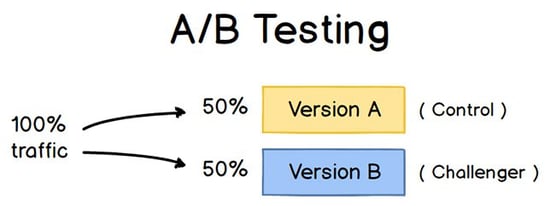
explanation of what a/b testing is

Image Credit: ConversionXL

Then, you'd test these two versions by showing each of them to a predetermined percentage of site visitors. (To learn more about A/B testing, download our free intoductory guide here.)

Now, let's walk through the checklist for setting up, running, and measuring an A/B test.

How to Conduct A/B Testing

Before the A/B Test

1. Pick one variable to test.

As you optimize your web pages and emails, you might find there are a number of variables you want to test. But to evaluate how effective a change is, you'll want to isolate one "independent variable" and measure its performance -- otherwise, you can't be sure which one was responsible for changes in performance.

You can test more than one variable for a single web page or email; just be sure you're testing them one at a time.

Look at the various elements in your marketing resources and their possible alternatives for design, wording, and layout. Other things you might test include email subject lines, sender names, and different ways to personalize your emails.

Keep in mind that even simple changes, like changing the image in your email or the words on your call-to-action button, can drive big improvements. In fact, these sorts of changes are usually easier to measure than the bigger ones.

Note: There are some times when it makes more sense to test multiple variables rather than a single variable. This is a process called multivariate testing. If you're wondering whether you should run an A/B test versus a multivariate test, here's a helpful article from Optimizely that compares the two.

2. Identify your goal.

Although you'll measure a number of metrics for every one test, choose a primary metric to focus on -- before you run the test. In fact, do it before you even set up the second variation. This is your "dependent variable."

Think about where you want this variable to be at the end of the split test. You might state an official hypothesis and examine your results based on this prediction.

If you wait until afterward to think about which metrics are important to you, what your goals are, and how the changes you're proposing might affect user behavior, then you might not set up the test in the most effective way.

3. Create a 'control' and a 'challenger.'

You now have your independent variable, your dependent variable, and your desired outcome. Use this information to set up the unaltered version of whatever you're testing as your "control." If you're testing a web page, this is the unaltered web page as it exists already. If you're testing a landing page, this would be the landing page design and copy you would normally use.

From there, build a variation, or a "challenger" -- the website, landing page, or email you’ll test against your control. For example, if you're wondering whether including a testimonial on a landing page would make a difference, set up your control page with no testimonials. Then, create your variation with a testimonial.

4. Split your sample groups equally and randomly.

For tests where you have more control over the audience -- like with emails -- you need to test with two or more audiences that are equal in order to have conclusive results.

How you do this will vary depending on the A/B testing tool you use. If you're a HubSpot Enterprise customer conducting an A/B test on an email, for example, HubSpot will automatically split traffic to your variations so that each variation gets a random sampling of visitors.

5. Determine your sample size (if applicable).

How you determine your sample size will also vary depending on your A/B testing tool, as well as the type of A/B test you're running.

If you're A/B testing an email, you'll probably want to send an A/B test to a smaller portion of your list to get statistically significant results. Eventually, you'll pick a winner and send the winning variation on to the rest of the list. (See "The Science of Split Testing" ebook at the end of this article for more on calculating your sample size.)

If you're a HubSpot Enterprise customer, you'll have some help determining the size of your sample group using a slider. It'll let you do a 50/50 A/B test of any sample size -- although all other sample splits require a list of at least 1,000 recipients.
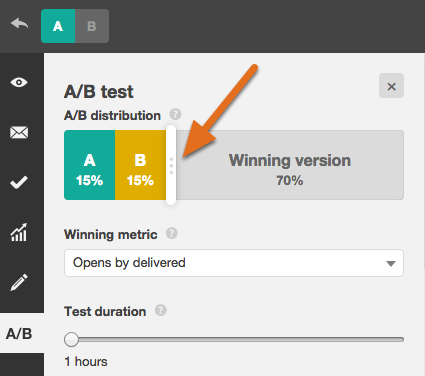
a/b testing sample size slider

If you're testing something that doesn't have a finite audience, like a web page, then how long you keep your test running will directly affect your sample size. You'll need to let your test run long enough to obtain a substantial number of views, otherwise it'll be hard to tell whether there was a statistically significant difference between the two variations.

6. Decide how significant your results need to be.

Once you've picked your goal metric, think about how significant your results need to be to justify choosing one variation over another. Statistical significance is a super important part of A/B testing process that's often misunderstood. If you need a refresher on statistical significance from a marketing standpoint, I recommend reading this blog post.

The higher the percentage of your confidence level, the more sure you can be about your results. In most cases, you'll want a confidence level of 95% minimum -- preferably even 98% -- especially if it was a time-intensive experiment to set up. However, sometimes it makes sense to use a lower confidence rate if you don't need the test to be as stringent.

Matt Rheault, a senior software engineer at HubSpot, likes to think of statistical significance like placing a bet. What odds are you comfortable placing a bet on? Saying "I'm 80% sure this is the right design and I'm willing to bet everything on it" is similar to running an A/B test to 80% significance and then declaring a winner.

Rheault also says you’ll likely want a higher confidence threshold when testing for something that only slightly improves conversation rate. Why? Because random variance is more likely to play a bigger role.

"An example where we could feel safer lowering our confidence threshold is an experiment that will likely improve conversion rate by 10% or more, such as a redesigned hero section,” he explained. "The takeaway here is that the more radical the change, the less scientific we need to be process-wise. The more specific the change (button color, micro copy, etc.), the more scientific we should be because the change is less likely to have a large and noticeable impact on conversion rate."

7. Make sure you're only running one test at a time on any campaign.

Testing more than one thing for a single campaign -- even if it's not on the same exact asset -- can complicate your results. For example, if you A/B test an email campaign that directs to a landing page at the same time that you’re A/B testing that landing page ... how can you know which change caused the increase in leads?

During the A/B Test

8. Use an A/B testing tool.

To do an A/B test on your website or in an email, you'll need to use an A/B testing tool. If you're a HubSpot Enterprise customer, the HubSpot software has features that let you A/B test emails (learn how here), calls-to-action (learn how here), and landing pages (learn how here).

For non-HubSpot Enterprise customers, other options include Google Analytics' Experiments, which lets you A/B test up to 10 full versions of a single web page and compare their performance using a random sample of users.

9. Test both variations simultaneously.

Timing plays a significant role in your marketing campaign’s results, whether it's time of day, day of the week, or month of the year. If you were to run Version A during one month and Version B a month later, how would you know whether the performance change was caused by the different design or the different month?

When you run A/B tests, you'll need to run the two variations at the same time, otherwise you may be left second-guessing your results.

The only exception here is if you're testing timing itself, like finding the optimal times for sending out emails. This is a great thing to test because depending on what your business offers and who your subscribers are, the optimal time for subscriber engagement can vary significantly by industry and target market.

10. Give the A/B test enough time to produce useful data.

Again, you'll want to make sure that you let your test run long enough in order to obtain a substantial sample size. Otherwise, it'll be hard to tell whether there was a statistically significant difference between the two variations.

How long is long enough? Depending on your company and how you execute the A/B test, getting statistically significant results could happen in hours ... or days ... or weeks. A big part of how long it takes to get statistically significant results is how much traffic you get -- so if your business doesn't get a lot of traffic to your website, it'll take much longer for you to run an A/B test.

In theory, you shouldn't restrict the time in which you're gathering results. (Read this blog post to learn more about sample size and timing.)

11. Ask for feedback from real users.

A/B testing has a lot to do with quantitative data ... but that won't necessarily help you understand why people take certain actions over others. While you're running your A/B test, why not collect qualitative feedback from real users?

One of the best ways to ask people for their opinions is through a survey or poll. You might add an exit survey on your site that asks visitors why they didn't click on a certain CTA, or one on your thank-you pages that asks visitors why they clicked a button or filled out a form.

You might find, for example, that a lot of people clicked on a call-to-action leading them to an ebook, but once they saw the price, they didn't convert. That kind of information will give you a lot of insight into why your users are behaving in certain ways.

After the A/B Test

12. Focus on your goal metric.

Again, although you'll be measuring multiple metrics, keep your focus on that primary goal metric when you do your analysis.

For example, if you tested two variations of an email and chose leads as your primary metric, don’t get caught up on open rate or clickthrough rate. You might see a high clickthrough rate and poor conversion rates, in which case you might end up choosing the variation that had a lower clickthrough rate in the end.

13. Measure the significance of your results using our A/B testing calculator.

Now that you've determined which variation performs the best, it's time to determine whether or not your results statistically significant. In other words, are they enough to justify a change?

To find out, you'll need to conduct a test of statistical significance. You could do that manually ... or you could just plug in the results from your experiment to our free A/B testing calculator. For each variation you tested, you'll be prompted to input the total number of tries, like emails sent or impressions seen. Then, enter the number of goals it completed -- generally you'll look at clicks, but this could also be other types of conversions.

hubspot-a-b-testing-calculator.png

The calculator will spit out the confidence level your data produces for the winning variation. Then, measure that number against the value you chose to determine statistical significance.

14. Take action based on your results.

If one variation is statistically better than the other, you have a winner. Complete your test by disabling the losing variation in your A/B testing tool.

If neither variation is statistically better, you've just learned that the variable you tested didn't impact results, and you'll have to mark the test as inconclusive. In this case, stick with the original variation -- or run another test. You can use the failed data to help you figure out a new iteration on your new test.

While A/B tests help you impact results on a case-by-case basis, you can also apply the lessons you learn from each test and apply it to future efforts. For example, if you've conducted A/B tests in your email marketing and have repeatedly found that using numbers in email subject lines generates better clickthrough rates, you might want to consider using that tactic in more of your emails.

15. Plan your next A/B test.

The A/B test you just finished may have helped you discover a new way to make your marketing content more effective -- but don't stop there. There’s always room for more optimization.

You can even try conducting an A/B test on another feature of the same web page or email you just did a test on. For example, if you just tested a headline on a landing page, why not do a new test on body copy? Or color scheme? Or images? Always keep an eye out for opportunities to increase conversion rates and leads.

Learn how to best carry out some of the steps above using the free ebook below.
Science of Split Testing

At Mobile World Congress, 5G Is All the Rage. So What's the Big Deal?

Mobile World Congress (MWC) 2018 is underway in Barcelona, with major announcements emerging from the likes of Samsung, Huawei, and more.

And while the former's latest generation of smartphone, the S9 -- which is really being positioned less as a phone, and more as a camera -- stole most of the spotlight yesterday, Samsung and its counterparts all seem to be vying for the starring role in a certain emerging technology.

That former technology, it seems, is 5G: the latest generation in wireless connectivity.

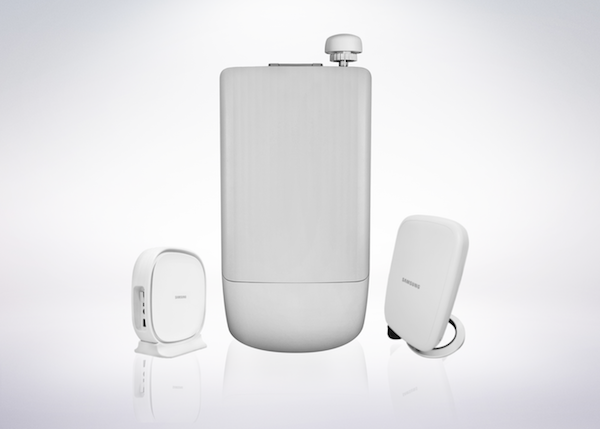
Throughout the MWC's short span thus far, there have been numerous announcements and claims made about 5G. Samsung unveiled "the world’s first 5G FAW [fixed wireless access] commercial solutions" for smart homes, cities, and transportation.

Rajeev Suri, Nokia's CEO, announced partnerships with carriers like Vodafone to deploy 5G in certain regions. Intel previewed 5G commercial deployments for the 2020 Olympic Games. Ericsson pointed to potential new 5G-powered revenue streams. And to cap it off, GSMA -- the organization behind MWC -- noted in its annual Mobile Economy Report that by 2025, 5G networks will account for 14% of global connections (for context, 4G accounted for 23% in 2017).

So what, in the name of all things mobile, is all the 5G fuss about? And why should it matter to us?

How 5G Will Impact SEO

As with most evolving technologies, one major reason for progressive generations of wireless connectivity is to meet growing demand and users.

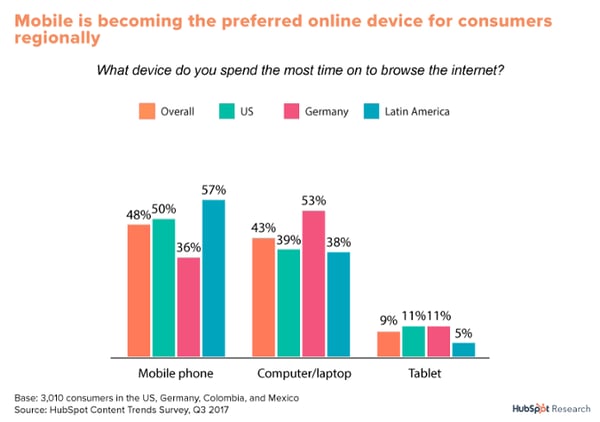
According to Pew Research Center, more than one of every 10 U.S. adults use the internet via mobile only -- that is, they own a smartphone, but don't have or use a home high-speed internet connection. And HubSpot's own research shows that for 50% of consumers in the U.S., mobile is their preferred online device.

That growing demand is two-fold. First, there are more users for networks and providers to support, since more data is being exchanged, downloaded, and consumed. Then, there's the competitive aspect: As more users turn to mobile, it's an opportunity for brands to say, "But wait -- here's what else you can do, right from your palm."

That's how we've evolved into multiple generations of connectivity. People don't just demand mobile online access anymore. They don't just want to check their email. They want to be able to do those things, browse, use apps, message their friends, watch a movie, make dinner reservations, and more. And, they want to be able to do those things quickly.

At the foundation of all of those mobile capabilities is the ability to seek and discover information or content. That means it also changes the way that we search for it.

We've written quite a bit about the general shift toward voice search and activation. Take my experience with three different smart home speakers, for instance, and how I used voice commands to get different information or experiences from each one. These smart speaker capabilities are rooted in voice search tools like Apple's Siri and Google Assistant -- the fact that they are now being built into branded, assistive ecosystem is just one indication of changes in the way we search.

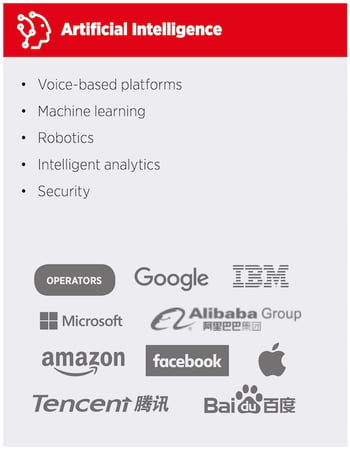
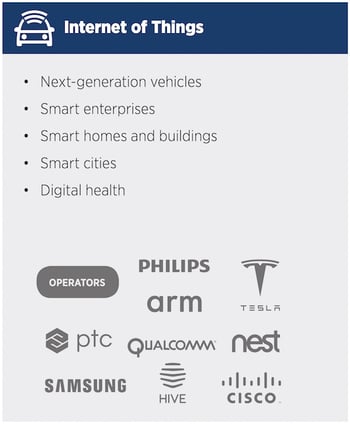
Source: GSMA, "Key areas of innovation – major players and use cases" for 5G

All of these developments point to a growing reliance on wireless technology, and the improvements made to it in response. "Ultimately, the faster mobile internet speeds become, the more advanced web experiences become," says Matt Barby, HubSpot's Director of Acquisition. "Creating richer and more load-intensive experiences on mobile -- without the additional load time -- is what will dramatically increase the usage of mobile devices."

And that increased usage, Barby explains, also means "an increase in usage means an increase in mobile searches. An increase in mobile searches means more focus from Google to tailor the entire search ecosystem towards mobile searching patterns. This will also increase voice searches."

Incorporating mobile into ranking factors isn't exactly new territory for Google. That began in 2015, when the search engine updated its algorithm to favor mobile-friendly sites for searches performed on such devices. That continued to evolve last year, when it penalized sites with interstitials that would interfere with the mobile browsing experience.

Barby says that users should only continue to expect these types of updates. "Google has already started shifting to a 'mobile-first' search index this year," he says. "So don't be surprised if we see more and more web experiences being developed to cater for mobile-specific user experience patterns."

How We Connect to Things and Interact With Them (and Each Other)

There's another element to aforementioned smart home speakers. Not only are their origins rooted in voice search and assistant capabilities, but users can also control them remotely from their mobile devices.

And the connectivity of our devices -- these "smart things," as they've come to be known -- has largely influenced this fifth generation of wireless connectivity.

Last fall, at the Samsung Developer Conference, the internet of things (IoT) permeated many of the conversations and sessions taking place. Soon, it would be possible to turn any appliance or electronic device in one's home, from lamps to washing machines, into a smart, connected device that could be controlled not only remotely from one's mobile device, but also with the help of Bixby, Samsung's digital voice assistant.

And again, at CES in January, IoT was frequently the topic du jour, with more than one brand exhibiting its own ecosystem of smart, connected things. We were looking at a future, it seems, where everything was online and could be controlled remotely via mobile. But that requires a high level of communication both between the devices themselves and the mobile platform being used to control it. That involves the exchange of a massive amount of data, which requires particularly strong and fast connectivity.

Enter -- you guessed it -- Bixby.

"If you thought the world was already connected, sit tight," says Conor Cirillo, HubSpot's conversational marketing manager. "5G will improve the way we interact with our devices. But more important, it will be a massive leap in how machines communicate with each other."

Samsung 5G FWA commercial solutions


Cirillo, who specializes in the evolution of digital communication like messaging and bots, also points to the way 5G will change the way the human users of 5G connect -- and is personally following the technology that will make it easier for people to interact with each other and brands through wireless devices.

"There are big implications here," he says, "of more people being able to talk to more people, on more devices, to do more things."

That interaction with brands is a key element of many IoT ecosystems. A growing number of consumers are already turning to messaging -- onsite or via third-party apps like Messenger -- to connect with businesses for things like customer service. And at CES, for example, some brands suggested that such capabilities will be built into appliances themselves, some of which can detect mechanical issues and remotely repairing them before the user even knows about them.

While we haven't seen too much in the way of customers directly communicating with brands through their appliances for service needs, there are many signs that we're heading in that direction -- potentially eliminating the need for messaging apps and introducing a new platform for this type of communication, whether with a human representative or an AI-powered bot.

But such communication still requires a powerful network to support it. And as 5G permeates the mainstream -- the first commercial networks are expected to launch in 2018 -- our reliance on this generation of connectivity is likely to grow.

"Everything We Have Now, but More"

When I asked my colleague, HubSpot Marketing Fellow Sam Mallikarjunan for his take on 5G, he pointed to three key elements he expects to see from it:

"Less reliance on apps. More reliance on smooth native web experiences. More flexibility for rich media."

Remember what I said about the possible elimination of third-party platforms like Messenger to communicate with brands? From Mallikarjunan's perspective, that's only one piece of a decreased need for such apps that could come from the introduction and growth of 5G connectivity.

The-Mobile-Economy-Global-2018 IoT

Source: GSMA, "Key areas of innovation – major players and use cases" for 5G

It makes sense. While this type of network will help us do things that require more data and quicker speeds from our smartphones, it will also help to build the ability to do similar things directly from an appliance itself that are currently controlled by a mobile device. Here's where something like the Google Home is a good example. While I can control it remotely from my phone, for most purposes, I don't have to. I can just tell it what to do.

The exception is if I need help using it. Right now, I have to turn elsewhere to troubleshoot, usually through the app on my phone or through Google's online support pages. But soon, it seems, I'll be able to ask the smart speaker for help with whatever I'm having trouble getting it to do, whether I'm speaking to a human representative or Google Assistant's AI.

It's an elaboration of how Mallikarjunan summarized what 5G will bring.

"Everything we have now," he predicts, "but more." 

SEO basics: Elements of the Google Search Engine Results Page

I Tried Five Morning Routines So You Don't Have To. Here's What Works.

I’m not a morning person.

My morning consists of waking up as late as possible and feeling personally victimized by my alarm clock. And no matter how many times I wake up to my alarm, my first thought is always, “Why are you doing this to me?!”

It has caused a love-hate relationship between my phone and myself. 

Disgruntled, I then scroll through my Instagram feed. Oh, did I say, “As late as possible”? I should mention I give myself ten minutes to get out of bed.

Here are (a few) things I do NOT do in the morning:

  • Work out
  • Make a to-do list
  • Meditate
  • Visit my personal trainer
  • Hang out in my home gym
  • Address critical emails
  • Read all the tech industry headlines
  • Call family members
  • Say goodbye to my kids

Maybe that's why I am not a widely famous life coach, rich entrepreneur, CEO or founder of any major corporations, creator of any mega-popular social media channels, or author of any best-sellers. 

And that's also why, for five days, I decided to try the morning routines of five highly successful people: Elon Musk, Gary Vaynerchuk, Sheryl Sandberg, Jack Dorsey, and Tony Robbins.

At the end of it, did I actually become more productive? You’ll just have to read to find out. 

1. Elon Musk

The famous figure behind Tesla and SpaceX gets six hours of sleep, typically waking up at 7:00 a.m. From there, his routine looks roughly like this:

  • Addresses critical emails for 30 minutes
  • Drinks coffee -- but is too busy for breakfast
  • Sends kids off to school
  • Showers and goes to work

To prepare for my Elon Musk morning, I stayed awake until midnight to ensure accuracy. He doesn’t get more than 6 hours of sleep, so neither could I. 


A post shared by Elon Musk (@elonmusk) on Apr 24, 2017 at 11:49pm PDT

That meant my “address critical emails” time was partially cut short -- in my half-asleep state, I flung my cell phone behind my bed and needed to take some time to move the bed to retrieve it. How Musk runs two multi-billion dollar companies on six hours of sleep is beyond me.

I soon realized I had another problem with the address critical email activity. As you might imagine, being a marketing blogger doesn’t require quite as many critical back-and-forth emails as being founder and CEO of Tesla and SpaceX. So, I refreshed my email and replied to the six emails in my inbox, which took about seven minutes -- leaving me with 23 minutes to spare.

I’ll admit that I didn’t love starting my morning with emails. I wasn’t fully awake, so I can only hope my responses resembled something coherent. Plus, by the time I got to work, I had to re-read the emails because I forgot what they said.

But I understand why Musk does it. Emailing can put you in a task-oriented mindset: “Okay, here are the things I need to tackle first when I get to the office.”

Showering is also something I also do every morning -- and likely the only thing Musk and I have in common -- and I don’t have any kids to say goodbye to. And while I respect that he only drinks coffee in the mornings (with only six hours of sleep, I needed it, too), by the time I got to work at 8:45, I was starving.

So, although Musk skips breakfast, I allowed myself a banana. After all that hard work responding to critical emails -- not to mention, moving my bed frame -- I figured I deserved it.

2. Gary Vaynerchuk

This entrepreneur, author, and speaker wakes up at 6 a.m., followed by these tasks:

  • Reads Techmeme headlines, Business Insider, and ESPN, among others
  • Checks out Twitter and Instagram
  • Works out with his personal trainer, "Muscle Mike," for 45 minutes to an hour
  • Calls a family member

How Vaynerchuk -- better known to some as "Gary Vee" -- devours this much information and actually retains it at 6 a.m. is nothing short of miraculous.


A post shared by Gary Vay-Ner-Chuk (@garyvee) on Jan 22, 2018 at 9:44am PST

But I made a list of these links in my Notes app the night before, and at 6:01, I opened Techmeme and read the headlines. I then made my way through Business Insider, ESPN -- which I barely skimmed, since I don’t understand sports at any time of day -- Twitter, and Instagram.

It felt like a ton of information to devour before getting out of bed.

While reading these articles in their entirety wasn't entirely feasible due to time restrictions, checking out “what’s going on” in one's industry in the morning seems a good idea. The article headlines inspired me to jot down some new ideas before I even reached the office.

For the next time, however, I don’t have a personal trainer -- but I do have Shaun from the T25 “high-intensity” workout DVDs. I figured that was close enough. And I’ll admit: It felt really good to get the workout over with. I was energized and refreshed by 7 a.m. and didn’t have to worry about fitting in a workout after work.

That said, it’s also really hard to do a high-intensity workout without any breakfast. So buyer beware: You might feel like passing out.

After that, Gary calls a family member on his way to work. I called my brother and spoke to him for exactly 47 seconds, mostly about why I was calling him that early and thought it was okay to wake him up.

3. Jack Dorsey

The founder/CEO of both Twitter and Square wakes up at 5:30 a.m., followed by meditation and a six-mile run.

After checking emails during my Elon Musk morning and devouring news outlets during my Gary Vee experience, I was enthusiastic to meditate during Jack Dorsey’s morning. Granted, I was less thrilled to run six miles -- but we'll get to that later.

I’m a meditation rookie, so I downloaded a meditation app called Simple Habit. I didn’t think I could do real meditation if I tried to do it on my own -- in fact, I’d probably just fall asleep.

The Simple Habit app starts you off slowly. My first lesson was only seven minutes long, mainly focused on my breathing. Admittedly, at 5:30 a.m., staying awake was the biggest obstacle -- which I actually managed to accomplish

Surprisingly, I enjoyed meditating that early. It was easier for me to focus first thing, before my thoughts had the chance to ramp up. Plus, the research behind meditation has indicated numerous benefits to the well-being of employees -- things like creativity, focus, decision-making, stress-reduction, and more. 

Of course, then I had to get up off my meditation floor and run. Keep in mind that I’ve taken about five months off of running outdoors, because Boston winters are, in a word, brutal. But Dorsey lives in San Francisco, so I believed it would be unrealistic to re-enact this part of his morning. Oh, shucks.

But then, I did some research and found that Dorsey’s average morning weather in San Francisco is about 39 degrees -- which, on this particular morning, was actually colder than Boston's. So, I got out the running gear. It wasn’t easy, and about three miles in, I took a full-mile walking break upon the impression that my frozen lungs had collapsed.

But I did it. It took me about an hour -- so I’m not sure I can make it a standard part of my morning routine.

Six miles seems like a lot, but I see the appeal. Meditation and running can encourage you to start your day in a healthy mindset. Meditation reminded me to stay present and focused throughout the day, and running got my endorphins and energy going. And, once again, I got my workout out of the way -- which meant I could spend my evening relaxing.

4. Sheryl Sandberg

The author and Facebook COO wakes up early, in order to get to the office by 7 a.m. And before then, she manages to:

  • Spend an hour responding to emails
  • Work out in home gym
  • Drop her kids off at school

Once again, I ran into the same predicament I had with Musk’s morning. I have about four emails first thing in the morning, and Sandberg has an hour’s worth.

So I took my time responding to those four emails, then scrolled Facebook for a bit, and -- in a nod to my Gary-Vaynerchuk-day -- read some headlines, and checked Instagram and Twitter.

I missed my Dorsey-meditation-morning.


A post shared by Sheryl Sandberg (@sherylsandberg) on Nov 29, 2017 at 2:14pm PST

Unfornately, I don’t own a home gym -- but I do own a yoga mat, the aforementioned T25 DVDs, and my very own state-of-the-art staircase. My home-gym exercise consisted of me completing one of those DVD workouts, followed by 10 laps up and down my stairs, topped off with a dash of yoga. And when I think about it, Sandberg’s home workout might not be so different.

Silicon Valley executives: They're just like us.

I don’t have any kids to drop off at school, but after the investment in creating my make-shift home gym, that might be a good thing  -- I wouldn’t have had time.

5. Tony Robbins

This motivational speaker gets three-to-five hours of sleep, waking up between 7 a.m. and 9:00 a.m. After that, he:

  • Performs a breathing exercise
  • Expresses gratitude
  • Experiences connection
  • Visualizes success

I left this morning routine for Friday because it sounded -- well, the easiest, if you will. But admittedly, I didn't follow the three-to-five hours of sleep part. If I had, I wouldn’t be writing this post right now, and would probably be sleeping in HubSpot's nap room instead.

Robbins curated his own personalized morning routine, which he calls "priming," which is supposed to bring you into a positive and energetic mindset at the beginning of each day.

First, there’s a breathing exercise, more accurately known as Kapalbhati Pranayama. Robbins sits up straight, closes his eyes, and inhales through his nose as he simultaneously lifts his arms -- think of the way you'd do that during a shoulder press.

Then, as he exhales through his nose, he brings his arms back to his body, palms up. He does three sets of thirty, with short breaks in-between.

Truth time: I felt ridiculous doing this on my bedroom floor first thing in the morning.


A post shared by Tony Robbins (@tonyrobbins) on Apr 28, 2017 at 3:08pm PDT

The breathing was nice, but without my meditation guru -- a.k.a., my Simple Habit app -- my mind kept wandering. What should I eat for breakfast? How many reps is this? What time is it?

Next, Robbins spends three minutes thinking about what he’s grateful for -- roughly three items per minute). Three minutes doesn’t sound like a long time, but when you only have three objects per minute, it kind of is.

My first minute went something like this: Okay, I’m grateful for my family … and, my health … and, hmm, I am grateful for clean drinking water.

I processed these thoughts for what seemed like an adequate amount of time, only to open my eyes and realized it had only been 20 seconds.

It wasn’t the first time I’ve thought of things to be grateful for, but it was the first time I’ve tried visualizing the list. And even though some items are tricky to visualize, it did make the exercise more genuine. At first, for example, I imagined the word “family”. But when I realized I needed to spend more time on it, I started visualizing specific relatives, and what it is about each one that I’m truly grateful for.

After finishing his gratitude exercise, Robbins moves onto an “experiencing connection” activity, in which he imagines a light flowing through his head, energizing him, and then imagines the light flowing back up through his head and outward to his loved ones and strangers.

This step is supposed to last three whole minutes. My light entered and exited my body in about 20 seconds, so I had to close my eyes and do it again. And while I appreciated the gesture, I’m not sure if this particular exercise is going to become a enduring part of my morning routine.

For the last three minutes, Robbins spends each minute on one goal and imagines how it will feel to accomplish that goal. And for me, that one was easy.

Visualizing success is similar to prioritizing your day, which I noticed seems to be a theme throughout the morning routines of many famous, successful figures. After visualizing three big goals, I was able to organize my day better, by choosing tasks that immediately supported that goal.

In a way, it actually made my day less busy. I visualized high-level goals, then narrowed down my to-do list to ensure these goals were met first.

Long-Term Takeaways

What I'll Do Next

At the end of my five-day morning routine experiment, I considered going back to my ordinary routine. But there were some morning activities I actually enjoyed -- and therefore, some that I’m going to adopt.

First, I agree that working out, even a little bit, is a great way to start the day. But I also enjoy attending late-evening workout classes, so I’ve created a moderation schedule. On Monday and Friday mornings, I now do a T25 DVD or go for a run, inside on a treadmill, weather permitting. On the remaining weekdays, I plan lunchtime or after-work workouts, because let’s be real -- I have more time to do Barre classes than Gary Vee does.

I’ve fully adopted tiny increments of morning meditation. And although I haven’t gone full enlightenment, I found it’s easy to switch out my morning Spotify playlist for a seven-minute breathing exercise, which I can do on the train -- so I have no excuses.

I don’t like waking up and starting my day with emails or industry headlines, mostly because -- as previously stated -- I'm only half-conscious in the morning. I do think it’s a good idea to tackle these things early, but since I’m not Sheryl Sandberg, it can usually wait until I’m in the office.

And finally, I'm not going to continue visualizing any lights going through my head and into my soul -- sorry, Tony. But instead of a full ten minutes of Instagram in the morning, I’ve switched to seven minutes on Instagram and three minutes dedicated to gratitude.

I've done that primarily for two reasons. Not only do I have more time to visualize things I’m grateful for in my own life, but it also leaves less time to feel envious of other people’s "Insta-perfect" lives.

What Else I Learned

And while they didn't get their own full sections in this article, I came across two other interesting takeaways in the course of my research. First, I learned that Mark Zuckerberg once said he dresses the same way each day, as it gives him “one less decision to make.”

I’m no Mark Zuckerberg, but I will admit that he has, at the very least, proven himself successful. No matter what he wears -- or what else people might say about him -- he can come into work and no one is going to think, “Wow, what a lazy slacker.”

But on the first day I planned on wearing my Mark-inspired uniform -- a grey t-shirt and jeans -- I looked into the mirror and realized I looked like someone who had either overslept, or didn’t really care about my appearance. And I’m not the founder of any companies. So I changed, because this early in my career, appearance is still an indicator of effort.

But I like the premise behind Zuckerberg’s routine. Why am I wasting fifteen minutes deciding what to wear each morning? While I don't want to wear the same thing every day, I can choose my outfits the night before. 

The second thing I discovered is there are both good and bad times to drink coffee in the morning.

As it turns out, your body’s cortisol generally peaks between 8 and 9 a.m., which is when your body is naturally “caffeinating” itself. If you drink coffee during that window, you’re probably not getting the full effects of your cortisol -- or your coffee. Plus, your body builds up a higher tolerance to coffee during this time, because it’s thinking, “We don’t need any more of this.”

Now, I try not to drink coffee until 9:30 a.m., when my cortisol levels are dipping. So far, so good.

Give It a Try

And with that, it’s your turn. Try these morning routines for yourself, and see how successful you can become.

If you need a “cheat sheet” to get started, here are seven commonalities of successful people’s morning routines:

  1. Wake up early.
  2. Decide and review what to do for the day, and set goals.
  3. Work out.
  4. Have a healthy breakfast, or at least a smoothie. Whatever you do, don’t start with coffee.
  5. Maintain a journal or visualize how you’re grateful.
  6. Meditate.
  7. Tackle the day -- early on -- with emails and/or industry headlines.

MozCon 2018: Making the Case for the Conference (& All the Snacks!)

Posted by Danielle_Launders

You’ve got that conference looming on the horizon. You want to go — you’ve spent the past few years desperately following hashtags on Twitter, memorizing catchy quotes, zooming in on grainy snapshots of a deck, and furiously downloading anything and everything you can scour from Slideshare.

But there’s a problem: conferences cost money, and your boss won’t even approve a Keurig in the communal kitchen, much less a ticket to a three-day-long learning sesh complete with its own travel and lodging expenses.

What’s an education-hungry digital marketer to do?

How do you convince your boss to send you to the conference of your dreams?

First of all, you gather evidence to make your case.

There are a plethora of excellent reasons why attending conferences is good for your career (and your bottom line). In digital marketing, we exist in the ever-changing tech space, hurtling toward the future at breakneck speed and often missing the details of the scenery along the way.

A good SEO conference will keep you both on the edge of your seat and on the cutting-edge of what’s new and noteworthy in our industry, highlighting some of the most important and impactful things your work depends on.

A good SEO conference will flip a switch for you, will trigger that lightbulb moment that empowers you and levels you up as both a marketer and a critical thinker.

If that doesn’t paint a beautiful enough picture to convince the folks that hold the credit card, though, there are also some great statistics and resources available:

Specifically, we're talking about MozCon

Yes, that MozCon!

Let’s just take a moment to address the elephant in the room here: you all know why we wrote this post. We want to see your smiling face in the audience at MozCon this July (the 9th–11th, if you were wondering). There are a few specific benefits worth mentioning:

  • Speakers and content: Our speakers bring their A-game each year. We work with them to bring the best content and latest trends to the stage to help set you up for a year of success.
  • Videos to share with your team: About a month or so after the conference, we’ll send you a link to professionally edited videos of every presentation at the conference. Your colleagues won’t get to partake in the morning Top Pot doughnuts or Starbucks coffee, but they will get a chance to learn everything you did, for free.
  • Great food onsite: We understand that conference food isn’t typically worth mentioning, but at MozCon you can expect snacks from local Seattle vendors - in the past this includes Trophy cupcakes, KuKuRuZa popcorn, Starbucks’ Seattle Reserve cold brew, and did we mention bacon at breakfast? Let’s not forget the bacon.
  • Swag: Expect to go home with a one-of-a-kind Roger Mozbot, a super-soft t-shirt from American Apparel, and swag worth keeping. We’ve given away Roger Legos, Moleskine notebooks, phone chargers, and have even had vending machines with additional swag in case you didn’t get enough.
  • Networking: You work hard taking notes, learning new insights, and digesting all of that knowledge — that’s why we think you deserve a little fun in the evenings to chat with fellow attendees. Each night after the conference, we'll offer a different networking event that adds to the value you'll get from your day of education.
  • A supportive network after the fact: Our MozCon Facebook group is incredibly active, and it’s grown to have a life of its own — marketers ask one another SEO questions, post jobs, look for and offer advice and empathy, and more. It’s a great place to find TAGFEE support and camaraderie long after the conference itself has ended.
  • Discounts for subscribers and groups: Moz Pro subscribers get a whopping $500 off their ticket cost (even if you're on a free 30-day trial!) and there are discounts for groups as well, so make sure to take advantage of savings where you can!
  • Ticket cost: At MozCon our goal is to break even, which means we invest all of your ticket price back into you. Check out the full breakdown below:

Can you tell we're serious about the snacks?

You can check out videos from years past to get a taste for the caliber of our speakers. We’ll also be putting out a call for community speaker pitches in April, so if you’ve been thinking about breaking into the speaking circuit, it could be an amazing opportunity — keep an eye on the blog for your chance to submit a pitch.

If you’ve ever seriously considered attending an SEO conference like MozCon, now’s the time to do it. You’ll save actual hundreds of dollars by grabbing subscriber or group pricing while you can (think of all the Keurigs you could get for that communal kitchen!), and you'll be bound for an unforgettable experience that lives and grows with you beyond just the three days you spend in Seattle.

Grab your ticket to MozCon!


Sign up for The Moz Top 10, a semimonthly mailer updating you on the top ten hottest pieces of SEO news, tips, and rad links uncovered by the Moz team. Think of it as your exclusive digest of stuff you don't have time to hunt down but want to read!

Sunday, February 25, 2018

How to Create an Ebook From Start to Finish [Free Ebook Templates]

At age 11, I dreamed of being an editor at a major magazine. I even put together my first publication, Teen Scene Magazine, using colored construction paper, yarn, and in-depth feature interviews with ... my dad.

Flash forward to today. I've swapped my colored construction paper and yarn for PowerPoint and InDesign. I've replaced my dad with marketing experts and influencers (in the office, that is). And week after week, I have the satisfaction of being an ebook creator.

But making an ebook can be overwhelming. Not only do you have to write the content, but you also need to design and format it into a professional-looking document that people will want to download and read. With lead generation being the top goal for content marketing, however, ebooks are an essential part of an successful inbound marketing program.

In this post, we'll walk you through the ins and outs of creating an ebook by, well, creating an ebook. And if you're worried about your lacking design skills, fret not ...

Click here to download our collection of customizable ebook templates.

Got your free ebook templates? Ready to make an ebook? Great -- let's get to it.

How to Create an Ebook

Step 1: Choose a Topic That Matches Your Audience's Needs

Remember: The goal of your ebook is to generate leads for your sales team, so pick a topic that will make it easy for a prospect to go from downloading your ebook to having a conversation with your sales team.

This means your ebook shouldn't deviate much from the topics you cover in your other content marketing channels. Rather, it's your opportunity to do a deep dive into a subject you've only lightly covered until now, but something your audience knows they need to learn more about.

For example, in listening to sales and customer calls here at HubSpot, I've learned ebooks for use in content marketing is a huge obstacle for our audience, who are marketers themselves. So if I can provide not only this blog post, but resources to make ebook creation easier, I'm focusing on the right topic for opening up a sales conversation.

To get your creative juices flowing, here are some example ebook titles to consider. (Note: Replace "x" with an appropriate number.) You can also use our free Blog Topic Generator tool to come up with more ideas. Most blog topics can be made comprehensive enough to serve as longer form ebook topics.

  • X Best Practices for [Insert Industry/Topic]
  • An Introduction to [Insert Industry/Topic]
  • X Common Questions About [Insert Industry/Topic] Answered
  • X [Insert Industry/Topic] Statistics For Better Decision Making
  • Learn From The Best: X [Insert Industry/Topic] Experts Share Insights

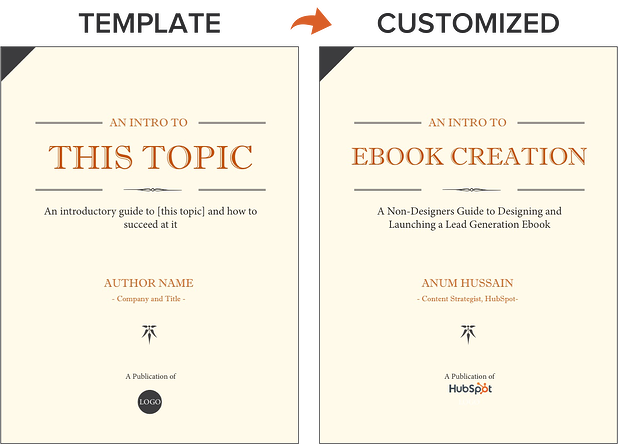
For this blog post, I'm going to use the PowerPoint version of template two from our collection of five free ebook templates. Through each section of this post, I'll provide a side-by-side of the template slide and how I customized it.

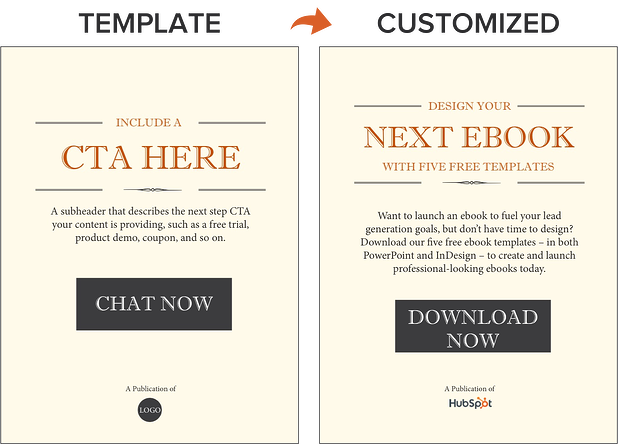
Below, you'll see my customized cover with my sales-relevant ebook topic. For help with writing compelling titles for your ebooks, check out the tips in this blog post.

how-to-create-an-ebook-1

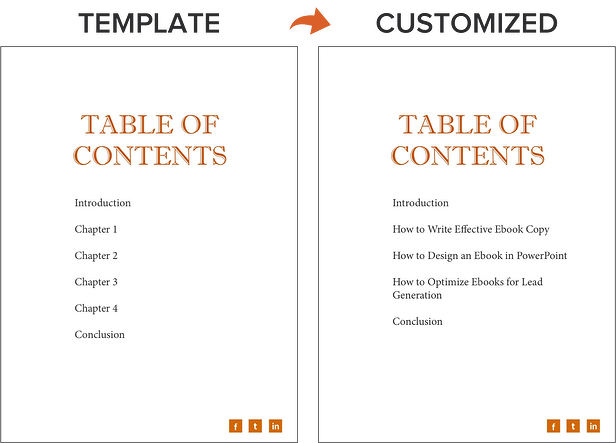
Step 2: Outline Each Chapter of Your Ebook

The introduction to your ebook should both set the stage for the contents of your ebook and draw the reader in. What will you cover in your ebook? How will the reader benefit from reading it? For tips on how to write an effective introduction, check out this post.

Some ebook creators say that an ebook is simply a series of blog posts stitched together. While I agree you should treat each chapter like an individual blog post, the chapters of your ebook should also flow fluidly from one to the other.

The best way to outline your ebook is by thinking of it as a crash course on the sales-relevant topic you selected. In my example of creating an ebook, I know I need to cover how to:

  1. write effective copy
  2. design an ebook
  3. optimize ebooks for lead generation and promotion

While my example has a few chapters, keep in mind that your ebook does not need to be lengthy. I have one golden rule for ebook length: Write what is needed to effectively educate your audience about your selected topic. If that requires five pages, great! If that requires 30 pages, so be it. Just don't waste words thinking you need to write a long ebook.

With that, let's move on to the actual copy you're writing.

how-to-create-an-ebook-2

Step 3: Break Down Each Chapter as You Write

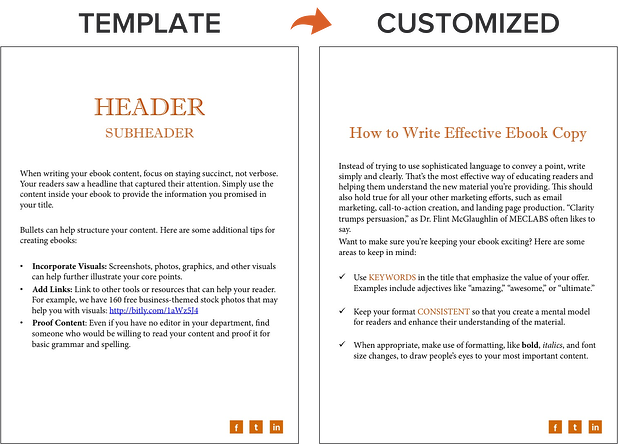
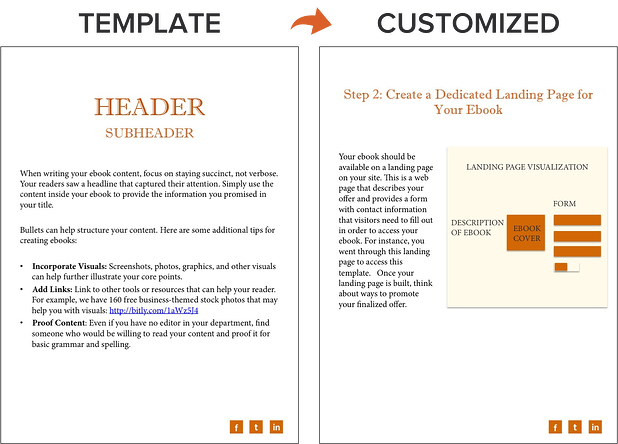
Get writing! Here, you can approach each chapter the way you might write a long blog post -- by compartmentalizing each chapter into smaller sections or bullet points, as shown in the picture below. This helps you write simply and clearly, rather than trying to use sophisticated language to convey each point. It's the most effective way to educate readers and help them understand the new material you’re providing.

Be sure to maintain a consistent structure across each chapter, as well. This helps you establish natural transitions between each chapter so there's a clear progression from one chapter to the next (simply stiching blog posts together can rob you of this quality).

These practices should hold true for all your other marketing efforts, such as email marketing, call-to-action creation, and landing page development. “Clarity trumps persuasion,” as Dr. Flint McGlaughlin of MECLABS often likes to say.

Want to make sure you're keeping your ebook exciting for readers? Here are some key tips to keep in mind:

  • Use keywords in the title that emphasize the value of your offer. Examples include adjectives like “amazing,” “awesome,” or “ultimate.”
  • Keep your format consistent so you create a mental model for readers and enhance their understanding of the material.
  • When appropriate, make use of formatting -- like bulleted lists, bold text, italics, and font size changes -- to draw people’s eyes to your most important content or emphasize certain points you want readers to remember.

how-to-create-an-ebook-4

Step 4: Design Your Ebook

Our downloadable ebook templates are offered in both PowerPoint and InDesign. For this example, we'll show you how to do it in PowerPoint, since more people have access to that software.

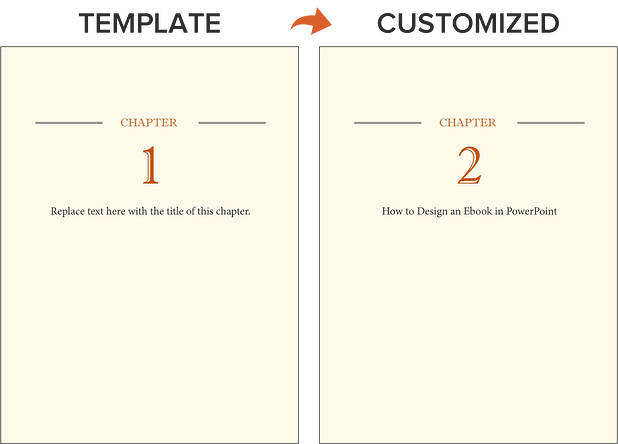
You'll notice we only have one "chapter page" in the template (slide three). To create additional chapter pages, or any pages really, simply right click the slide and choose Duplicate Slide. This will make a copy of your slide and allow you to drag it to its proper place in your ebook via the sidebar or Slide Sorter section of PowerPoint. You can then customize it for any subsequent chapters.

how-to-create-an-ebook-5

Step 5: Use the Right Colors

Ideally, our free ebook templates would magically match your brand colors. But, they probably don't; this is where you get to truly personalize your work. However, because ebooks offer more real estate for color than your logo or website, it's a good idea to consider secondary colors within your brand's color palate. Ebooks are where this color scheme can truly shine.

To learn how to add your brand's colors to PowerPoint, check out this blog post. That way, you can customize the color scheme in our ebook templates to match your brand!

Step 6: Incorporate Visuals

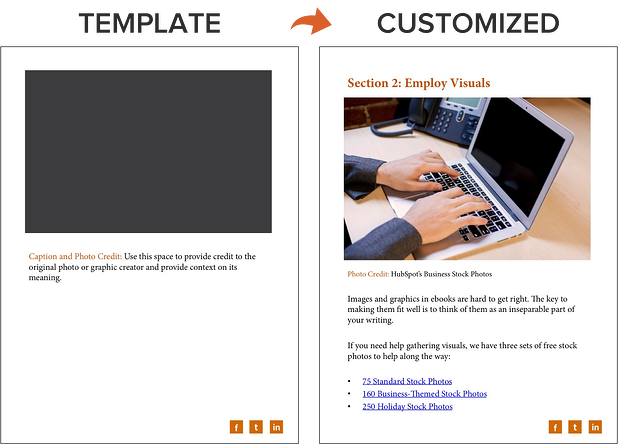
Images and graphics in ebooks are hard to get right. The key to making them fit well is to think of them as complementary to your writing. Whether you add them during or after you’ve finished writing your ebook’s copy, your visuals should serve to highlight an important point you’re making or deconstruct the meaning of a concept in an easy-to-understand, visual way.

Images shouldn’t just be there to make the ebook easy on the eyes. Rather, they should be used to enhance the reader’s understanding of the material you’re covering. If you need help gathering visuals, we have three sets of free stock photos that might help you along the way:

And if you're compiling a data-heavy ebook, you might want to download our free data visualization ebook for tips about designing compelling charts and graphs for your content.

how-to-create-an-ebook-6

Step 7: Highlight Quotes or Stats

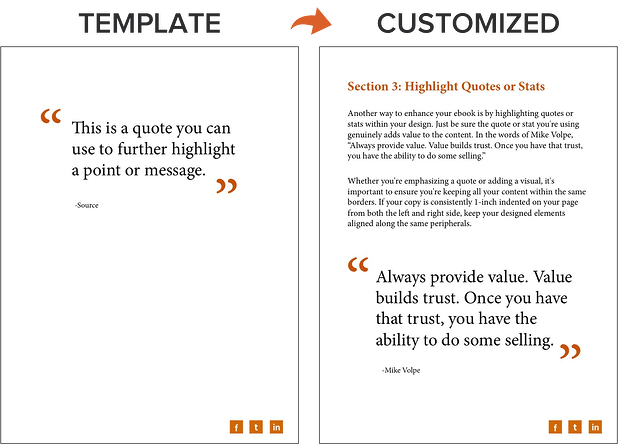
Another way to enhance your ebook is by highlighting quotes or stats within your design. Just be sure the quote or stat you're using genuinely adds value to the content.

Whether you're emphasizing a quote or adding a visual, keep all your content within the same margins. If your copy is consistently 1-inch indented on your page from both the left and right side, keep your designed elements aligned using that same spacing.

how-to-create-an-ebook-6-1

Step 8: Place Appropriate Calls-to-Action Within Your Ebook

Now that your content is written and designed, it's time to optimize it for lead generation, reconversion, and promotion.

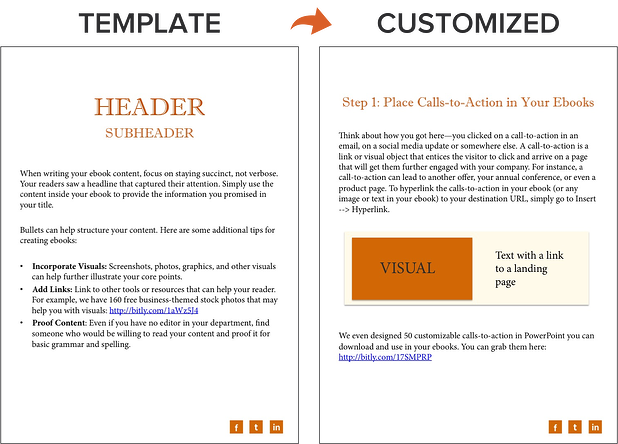
Think about how you got here -- you clicked on a call-to-action (CTA) in an email, on a social media post, or somewhere else. A CTA is a link or visual object that entices the visitor to click and arrive on a landing page that will get them further engaged with your company. Since your ebook readers have probably converted into leads in order to get their hands on your ebook to begin with (more on this in Step 2 below), use the CTAs within your ebook to reconvert your readers and propel them further down your marketing funnel.

For instance, a CTA can lead to another offer, your annual conference's registration page, or even a product page. Depending on what this next action is, CTAs can be an in-line rectangle or a full page teasing the next offer (see both images below).

To hyperlink the CTA in your ebook (or any image or text in your ebook) to your destination URL, simply go to Insert >> Hyperlink in PowerPoint.

how-to-create-an-ebook-8-1

how-to-create-an-ebook-10

We've even designed 50 customizable calls-to-action in PowerPoint you can download and use in your ebooks. You can grab them here.

Now, we don't have a dedicated CTA template slide in the PowerPoint ebook templates for you to customize ... but it's still simple! All you have to do is duplicate slide four (the Header/Subheader slide) and customize copy or add images as needed. You can also go to Insert >> New Slide and work from there.

Step 9: Convert It Into a PDF

Once you've finished writing your ebook -- CTAs and all -- it's time to convert it to the right file type so it's transferrable from you to your recipient.

To convert your ebook to a PDF, click File >> Save As in the ebook template you have open. Under File Format, select PDF and select a destination on your computer for this new file.

Why can't you just attach what you have to a landing page and be done with it? Word documents, PowerPoints, and similar templates are perfect for creating your ebook, but not for delivering it. Because these templates are editable, the contents of your ebook are too easily corrupted, distorted, or even lost when moving from your computer to the hands of your future leads. That's where PDFs come in.

You've seen these letters at the end of files before. Short for Portable Document Format, the .PDF file type essentially freezes your ebook so it can be displayed clearly on any device. A popular alternative to PDFs is the .EPUB file type. See a comparison of EPUB to PDF here.

Step 10: Create a Dedicated Landing Page for Your Ebook

Your ebook should be available for download through a landing page on your site. A landing page is a web page that promotes/describes your offer and provides a form that visitors need to fill out with their contact information in order to access your ebook. This is how you are able to convert your visitors into business leads that your sales team can ultimately follow up with.

For instance, you went through this landing page in order to access this ebook template. To learn more about how to optimize your landing pages for conversion, download this free ebook.

how-to-create-an-ebook-9-1

Step 11: Promote Your Ebook and Track its Success

Once your landing page is all set, you can use that destination URL to promote your ebook across your marketing channels. Here are five ways you can do this:

  • Advertise your new ebook on your website. For example, feature a CTA or link to your offer’s landing page on your resources page or even your homepage.
  • Promote your ebook through your blog. For instance, consider publishing an excerpt of your ebook as a blog post. Or write a separate blog article on the same topic as your ebook, and link to it at the end of your post using a call-to-action to encourage readers to keep learning. (Note: This very blog post is the perfect example of how to promote an offer you created with a blog post.)
  • Send a segmented email to contacts who have indicated an interest in receiving offers from your company.
  • Leverage paid advertising and co-marketing partnerships that will help you promote your ebook to a new audience.
  • Publish posts to social media with a link to your ebook. You can also increase social shares by creating social media share buttons within your ebook, such as the ones at the bottom right of this ebook. Here’s a blog post that shows how to hyperlink them.

After your content is launched and promoted across your marketing channels, you’ll also want marketing analytics in place to measure the success of your live product.

For instance, you should have landing page analytics that give you insight into how many people downloaded your ebook and converted into leads, and closed-loop analytics that show how many of those people ultimately converted into opportunities and customers for your business. Learn more through HubSpot's Landing Pages App.

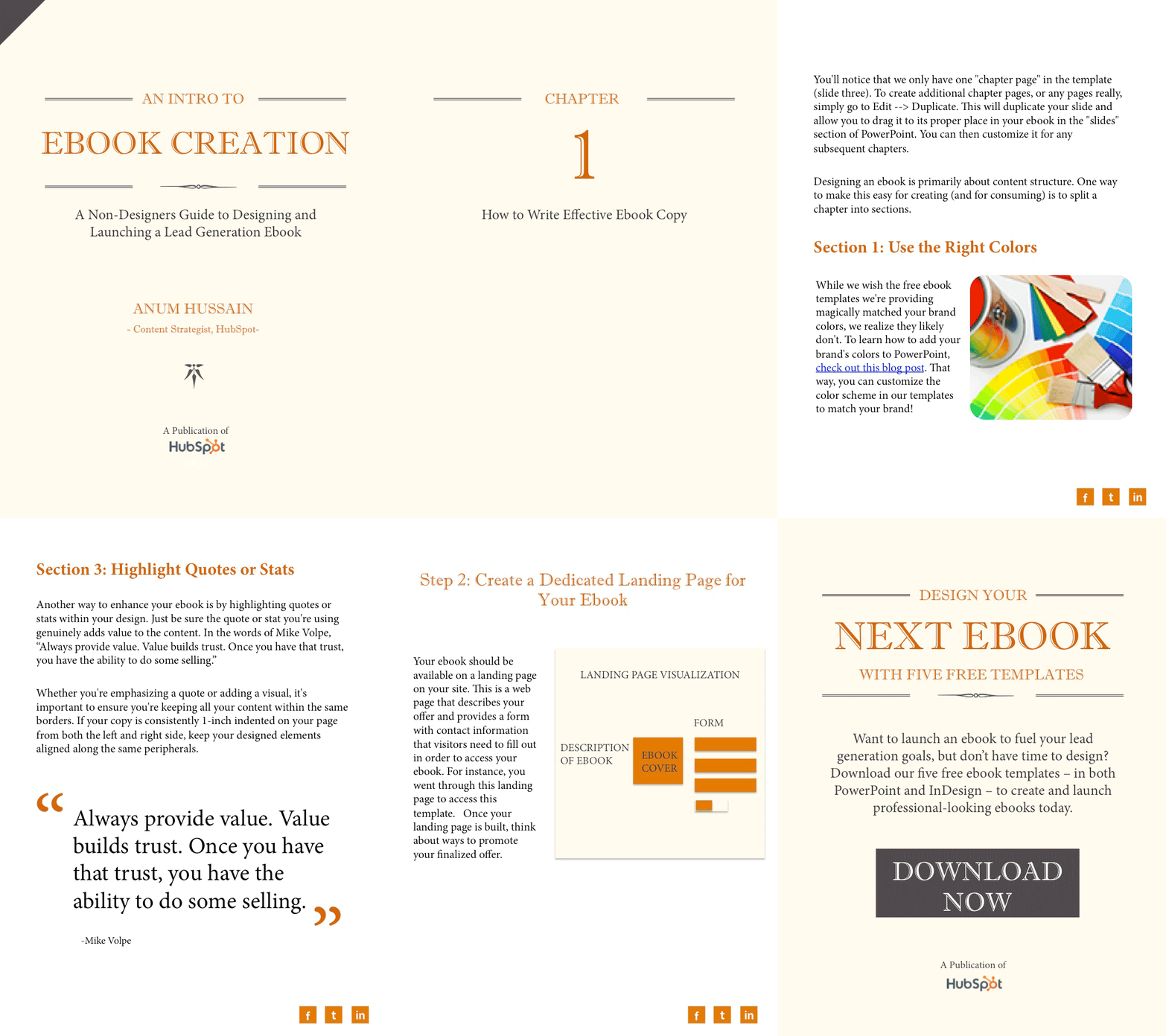
And with that, we've built an ebook, folks! You can check out the packaged version of the example I built through this post here:

5-free-ebook-Templates

After your content is launched and promoted across your marketing channels, you’ll need to have marketing analytics in place that measure the success of your ebooks. For instance, having landing page analytics that give you insight into how many people downloaded your ebook, or show how many of those downloaders converted into opportunities and customers for your business.

Ebook Creation Resources

Do you have any other tips or resources for making ebook creation easier? Apply them to your content marketing strategy. I'd be remiss not to admit every company's ebook will come to fruition differently. It all depends on the needs of your brand.

Free Download 13 Ebook Templates

Free Download 13 Ebook Templates

Friday, February 23, 2018

6 Ways Marketing Content Can Support a Customer Service Team

"Hold on, let me just confirm the solution for you," the service rep responds as she scrambles to look up the answer to a customer's question.

It's the corporate equivalent of a retail employee wandering aimlessly down each aisle when you ask where a certain product is, like you couldn't have done that yourself.

Customers will eventually stump customer service (a department sometimes known as customer success, if it's more focused on proactive goal-setting than reactive troubleshooting) with a question they ask over the phone or in a live chat window. And that's okay; it's hard to always have all the answers at the ready.

What's not okay is when this becomes a pattern -- customer success employees seeming puzzled by the same problems or questions every time their clients bring them up.

Does this sound like the situation at your company? Consider tapping your marketing department to fill those knowledge gaps.

You may have heard the term "smarketing," which describes the ideal alignment of Marketing and Sales through shared goals and direct communication. What if I told you the same alignment could benefit Marketing and Customer Success, too?

There's a critical opportunity for both Marketing and Customer Success to help each other better serve their common audience. Here are six ways Marketing can help customer success managers (CSMs) and service reps transform the client experience, and the benefit Marketing can receive in return.

6 Ways Marketing Content Can Support a Customer Service Team

1. Distilling Marketing Content Into Monthly Digests

Customer Success might already receive their company blog's newsletter, but their conversations with clients can benefit from more tailored recommendations.

A dedicated roundup email just for these employees -- offering a digest of the most product- or customer-focused material from the previous month or quarter -- can ensure the team is always tuned into the issues Marketing knows their audience is most interested in.

A good place to start? Identify the latest ebooks, how-to articles, and data sheets your website is offering for download, and highlight the key points across each piece in this recurring email. Also known as "middle-of-the-funnel" content, this type of content can be hugely helpful to a customer success team because it reinforces product and value proposition comprehension.

Putting this material in client-facing hands ensures their remarks to customers are consistent with what people are reading on your blog or website.

2. Creating a Content Library on the Intranet

An internal wiki or intranet for sharing resources with coworkers is the perfect space for a content library. According to CMO Council, 40% of salespeople's time is spent looking for content that Marketing has created. Because Customer success talks to customers just as often as Sales does, it stands to reason they do the same thing.

Rather than letting your CSMs Google everything Marketing has published -- and potentially sending a dreaded "unusual traffic" signal to Google if they search too much -- repost this content as links on an intranet page created just for Sales and/or Customer Success.

Sort the relevant articles and offers by common customer queries: An article on good email subject lines, for example, might be appropriate bucketed under the topic "how customers can stay out of their own clients' spam folders."

3. Reporting on Social Media Interaction

What do social media and community managers have in common with customer success managers? They see lots of customer complaints -- but in a Twitter post or Facebook comment, rather than over the phone or in a live chat window.

And yet customer service experts at Sparkcentral suggest only 8% of marketing and customer service employees work together on social media. This is a missed opportunity.

If the internet has taught us anything, it's that people are more willing to be honest about their feelings and experiences from behind a computer screen than they are in person or over the phone. That means Marketing could be sitting on a goldmine of feedback from social media followers that the folks in customer success hasn't seen.

Want to help them serve your customers better? Open a line of communication with Customer Success to report on the latest interactions with followers of the brand's social media accounts on a regular cadence. This should include both public comments and private messages, allowing CSMs to see how Marketing talks to users and diagnoses problems their clients may not be revealing directly.

4. Joining Kickoff or Implementation Meetings

Customer success departments that also onboard new customers are sometimes thrown broad questions about the industry during initial calls.

For example, in the marketing industry, a customer might ask, "what content should I publish?" versus or in addition to, "how do I integrate my content management system (CMS) with your product?" The first question may go beyond the product issues that service reps are trained to handle.

Luckily, industry best practices are marketers' bread and butter, making them excellent wingmen during these kickoff meetings. Including just one marketing employee in this process can help keep the customer thoroughly educated in the early stages of a business relationship.

These kickoffs can take place frequently, though, and it's important to be respectful of the marketing department's time. If your marketing employees are separated by industry specialization, consider rotating them into kickoffs for clients that fit their area of expertise.

If their workload simply doesn't allow for it, having marketing's leadership staff (such as the CMO or VP of Marketing) take this responsibility may be in the best interest of the rest of the team.

5. Reporting on Chatbot Conversations

Chatbots and similar chat tools powered by artificial intelligence (AI) aren't yet ubiquitous in marketing, but for companies that have deployed AI-powered chatbots, these transcripts are invaluable to your customer service team.

(Skeptical about the AI hype? Research shows you may already be using AI and not realize it!)

Chatbot technology allows companies to talk to customers via messaging apps -- or natively as a feature of their website -- with an automated "bot" programmed to answer common questions about their services.

If your company hosts a chatbot on, say, HubSpot Conversations (get it for free here), it was likely set up to handle quick-answer queries so client-facing staff can spend time solving more complex problems for the customer. A smart move, no doubt about it.

However, this might also mean a log of some very interesting dialogue between a prospect visiting your website and a robot who speaks on the company's behalf is going unseen by employees who can learn from it.

This chatbot might be designed to lighten the load of questions normally posed to a human service rep, but don't let the automated conversations go to waste. Go a step further and examine how people are interacting with the chatbot.

57% of people use AI chatbots from customer success to get business information.

People tend to lean on chatbots for open-ended, educational needs rather than technical issues, so examine your transcripts for trends in what users need the most information on when perusing your business' website.

For example, you might baffle Customer Success with how many people ask the chatbot about a third-party integration your product offers relative to how little detail your website or CSMs provide on the subject themselves. Time to create some informational middle-of-the-funnel content ...

6. Using Their Insights to Make Your Marketing Content Better

Like in Smarketing, the role of Marketing to Customer Success is a two-way street. Customer Success can offer valuable client insights right back to Marketing, which allows marketers to improve their content so it's addressing the questions Customer Success typically needs help answering for clients.

Just as marketing teams have the opportunity to distill their content into an internal email specifically for service reps (per section 1 above), Customer Success likely keeps transcripts or recordings of their conversations with clients. Consider working with your Customer Success peers on a simple report that highlights call FAQs. Who knows? The company blog or website may be neglecting your customers' most burning questions.

In addition, brainstorming sessions shouldn't always be exclusive to the Marketing team. Everyone at the business can bring valuable content suggestions to the table, and Customer Success in particular has a breadth of on-the-job experience with clients that could make for a great how-to article or video.

Don't hesitate to invite them to your next idea meeting.

Companies with the best customer experience share information across every department, and Customer Success is no exception. By keeping this department informed on what Marketing does all day, you equip them with the answers they're expected to have and offer a more stable buyer's journey to everyone the company works with.